Check Engine Light: Steady vs Blinking (EPA Guide)
What the light is telling you, based on EPA fact sheets.
We may earn a commission when you buy through links on this page, at no extra cost to you. This does not change which products we cover. How we make money.
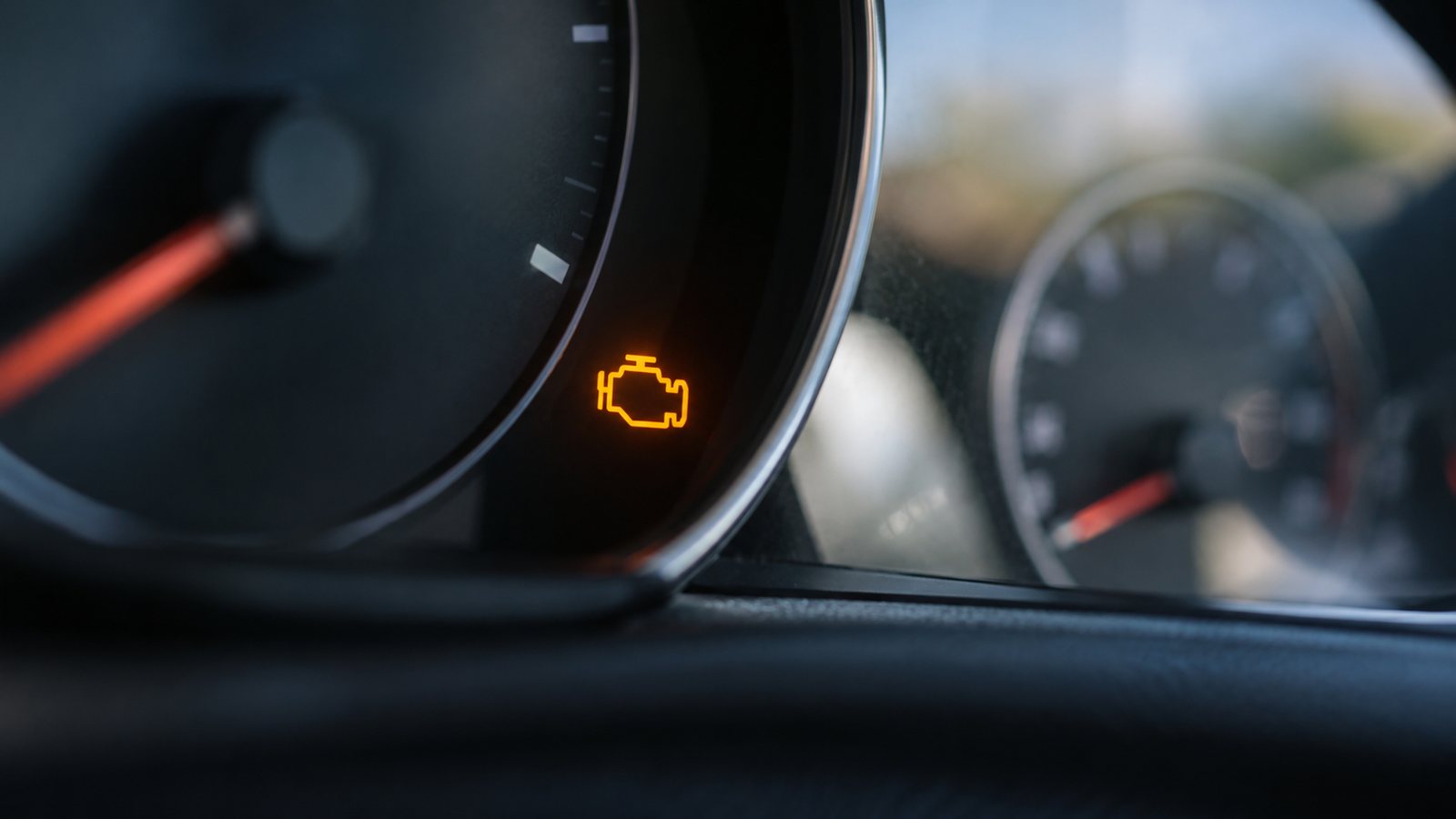
Since 1996, cars and light trucks have OBD-II, which watches the engine, transmission and emissions parts. The check engine light is how it talks to you.
At start-up
EPA says the light should flash briefly when you turn on the ignition and then stay off.
Steady light
The system found a problem that may waste fuel, shorten engine life or raise pollution. EPA’s steps:
- Do not panic. Seek attention soon.
- At your stop, check that the gas cap is not loose or missing.
- If the light stays on after a few short trips, get the car serviced.
Blinking light
EPA says this means a severe problem such as a catalyst-damaging misfire. Get it fixed as soon as possible, keep time on the road short, and avoid high speed and heavy loads such as towing.
Read the code yourself
A shop uses a scan tool on the port under the dash. A home OBD2 scanner reads the same codes.
Steady vs blinking at a glance
| Light | What EPA says it means | What to do |
|---|---|---|
| Brief flash at start-up | Bulb and system check | Nothing, if it goes off |
| Steady | A problem that may waste fuel, shorten engine life or raise pollution | Check the gas cap, then get service if it stays on after a few short trips |
| Blinking | A severe problem such as a catalyst-damaging misfire | Get it fixed as soon as possible; avoid high speed and heavy loads |
Related
Frequently asked questions
Is it safe to drive with the check engine light on?
EPA says a steady light means seek attention soon. A blinking light means a severe problem such as a catalyst-damaging misfire. Minimize driving and avoid high speed and heavy loads.
Can a loose gas cap turn on the light?
Yes. EPA names a loose or missing gas cap as one cause and says to check it first.